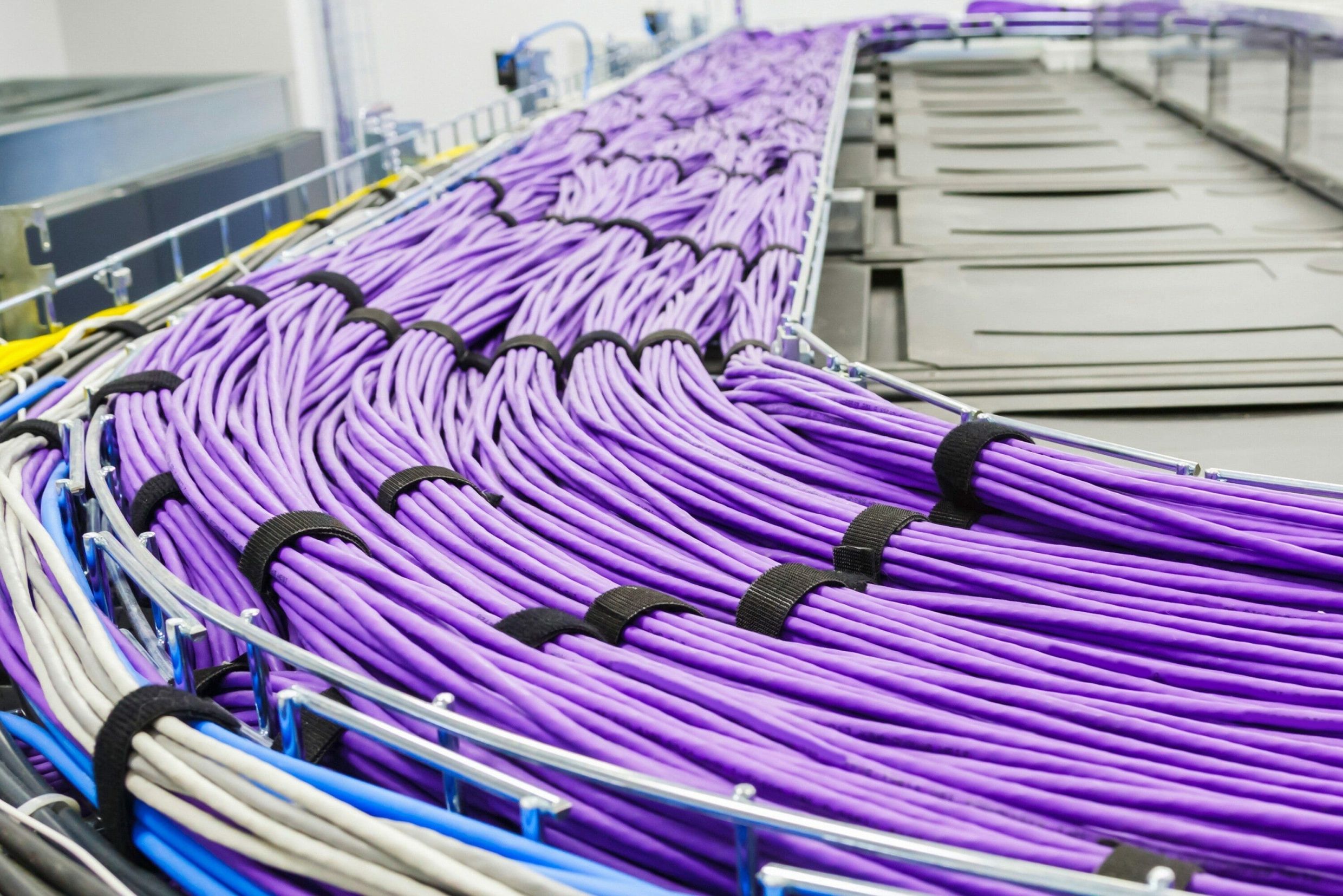


How to Choose Cable Tray Support Systems
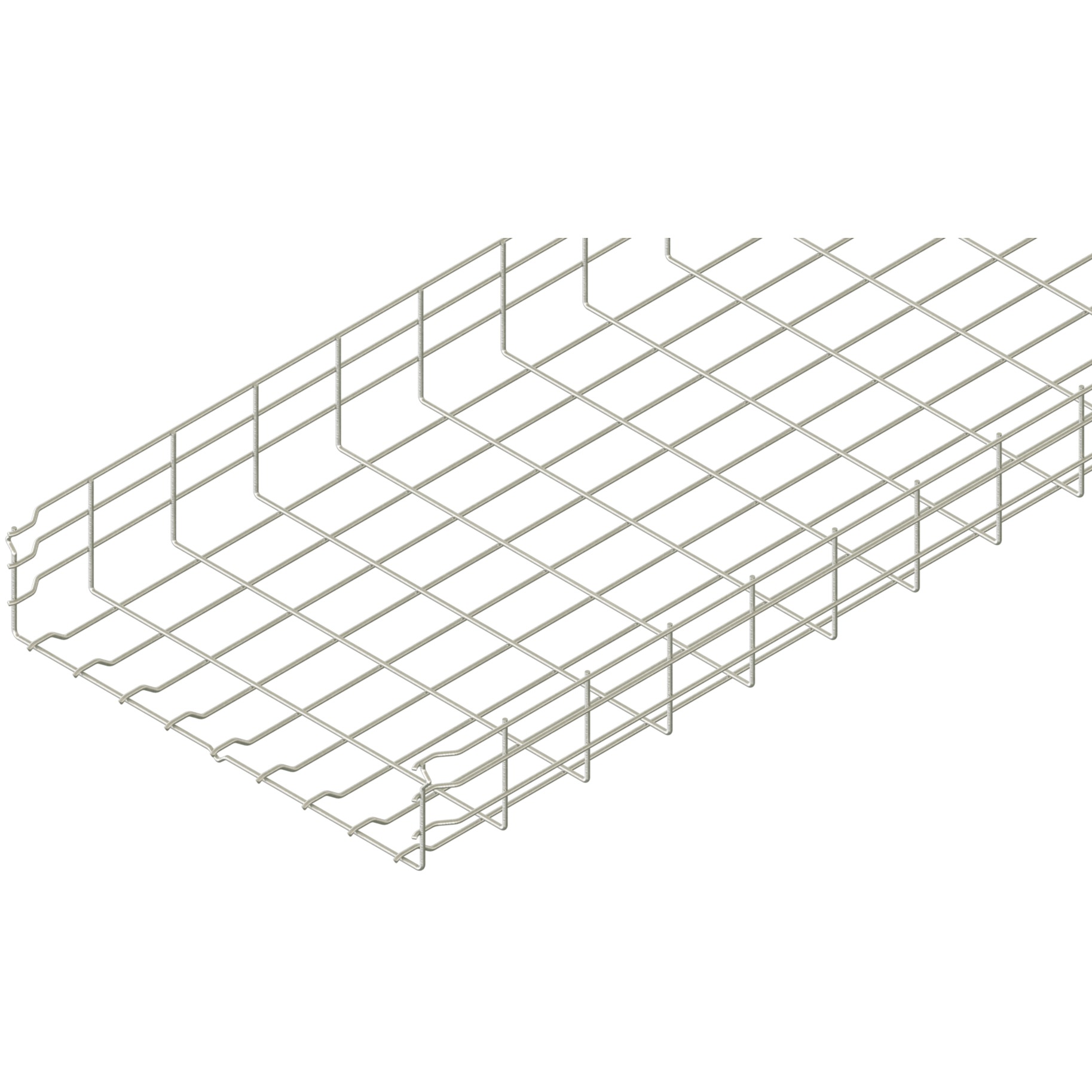
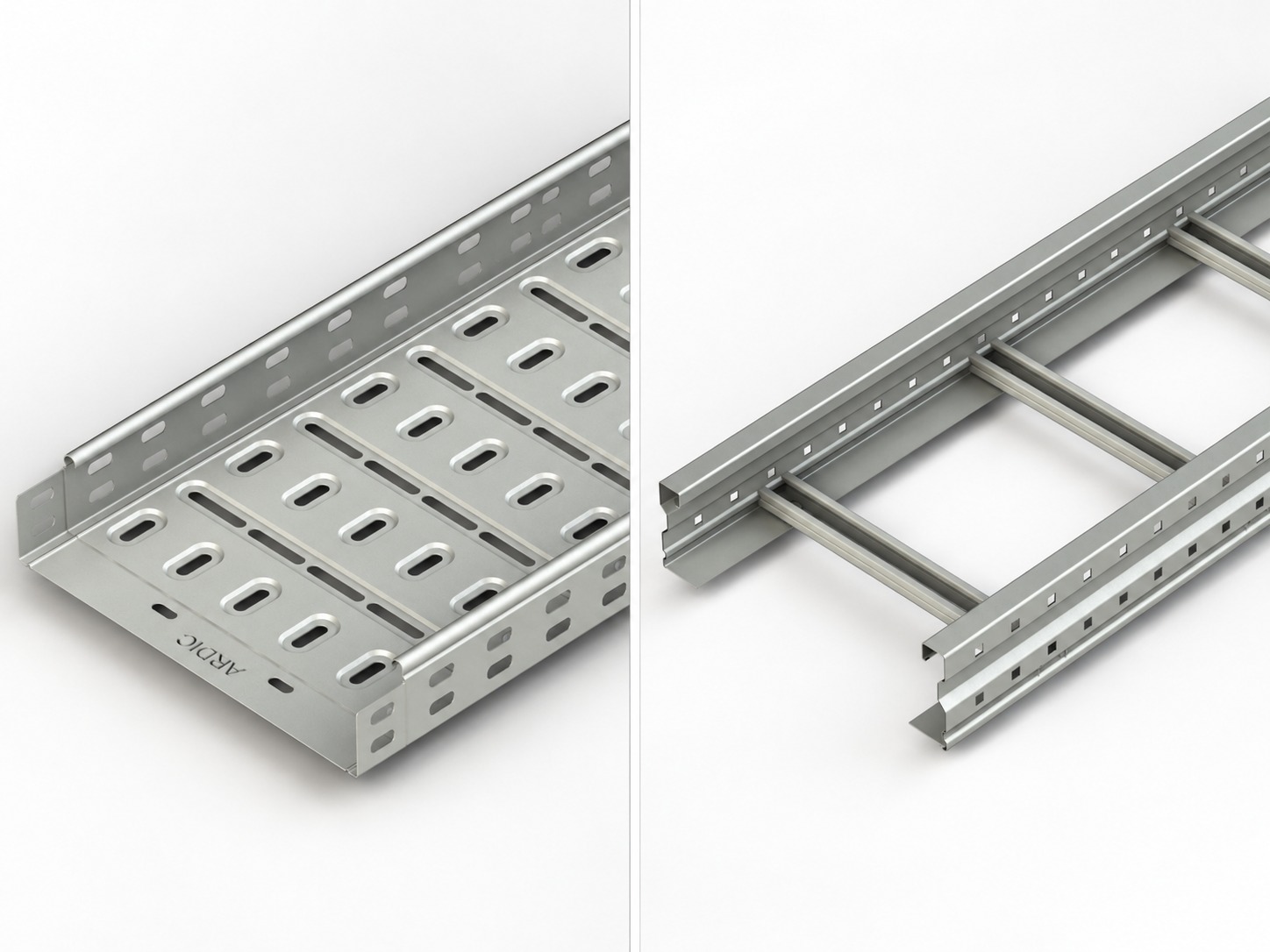
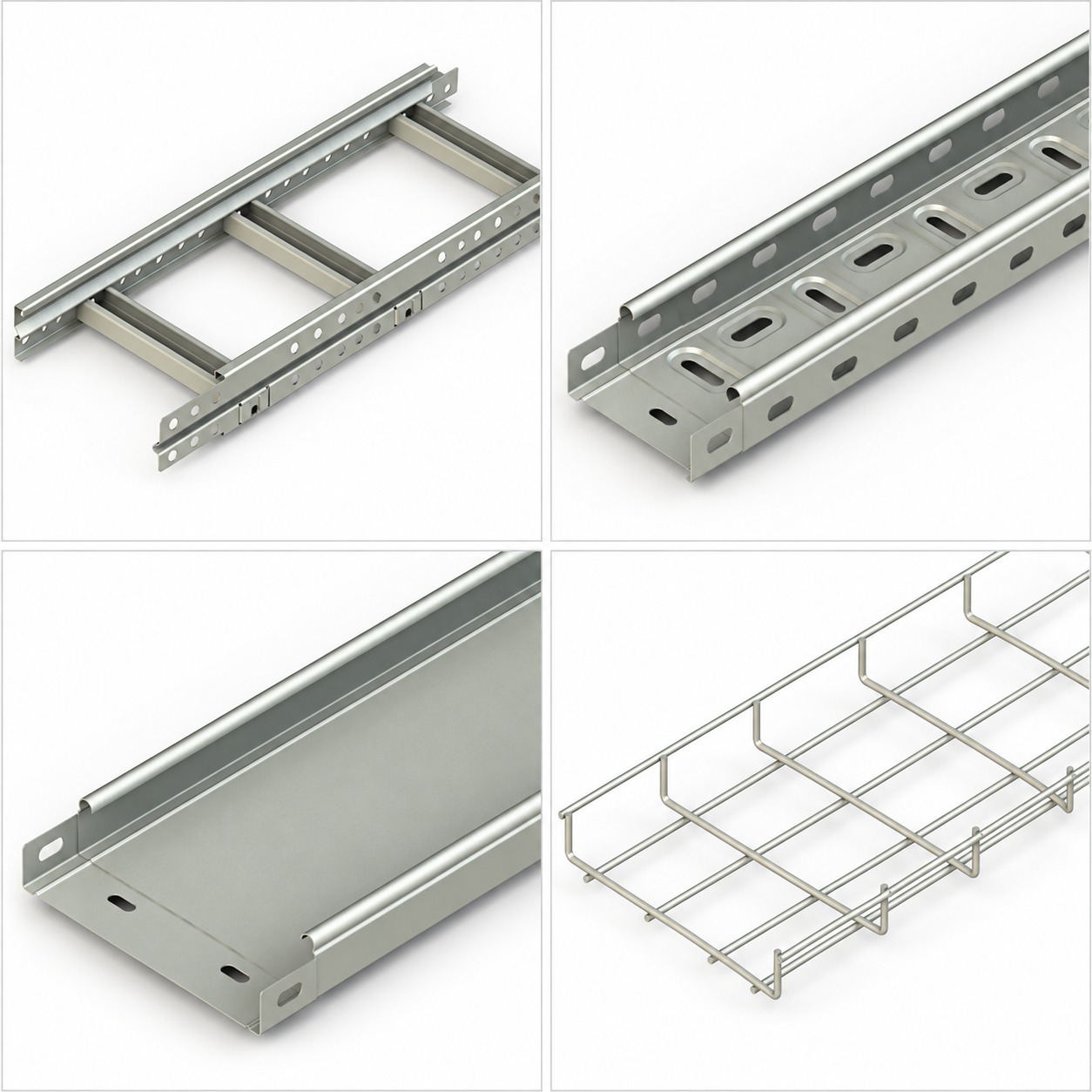
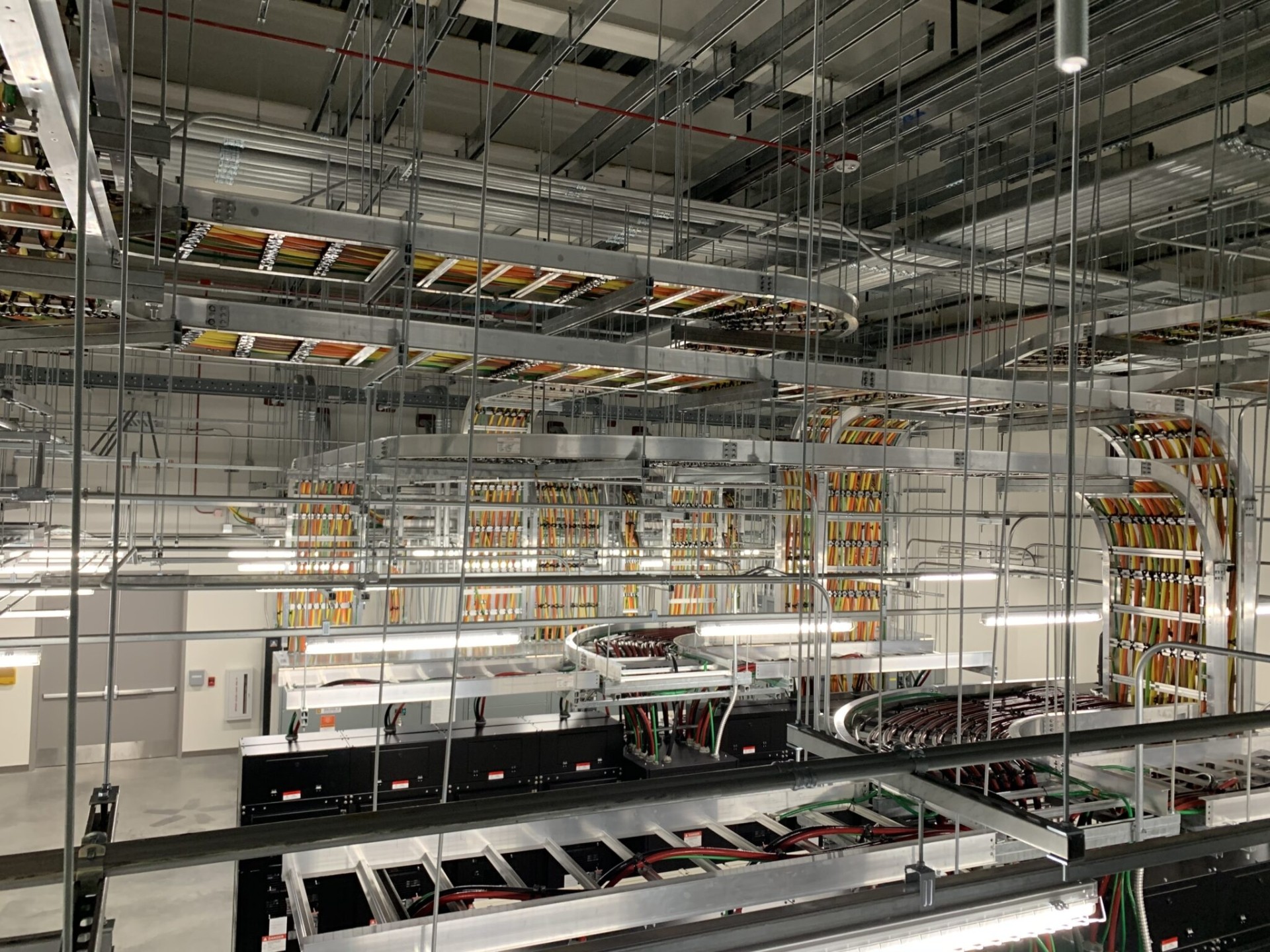
Selecting a cable tray or cable ladder is only the first stage of designing a cable route. The support system that transfers the cable load to the building or supporting steelwork must also be selected and coordinated correctly.
Brackets, hangers, C profiles, U profiles, I profile systems, threaded rods, anchors, channel nuts and fasteners work together as part of the load path.
For this reason, cable tray supports should be treated as part of the complete cable management system rather than as a collection of secondary accessories.
What Is a Cable Tray Support System?
A cable tray support system is the combination of mechanical components used to attach cable trays, cable ladders and related systems to walls, ceilings, floors or structural steel.
A typical arrangement may include:
- wall brackets;
- ceiling hangers;
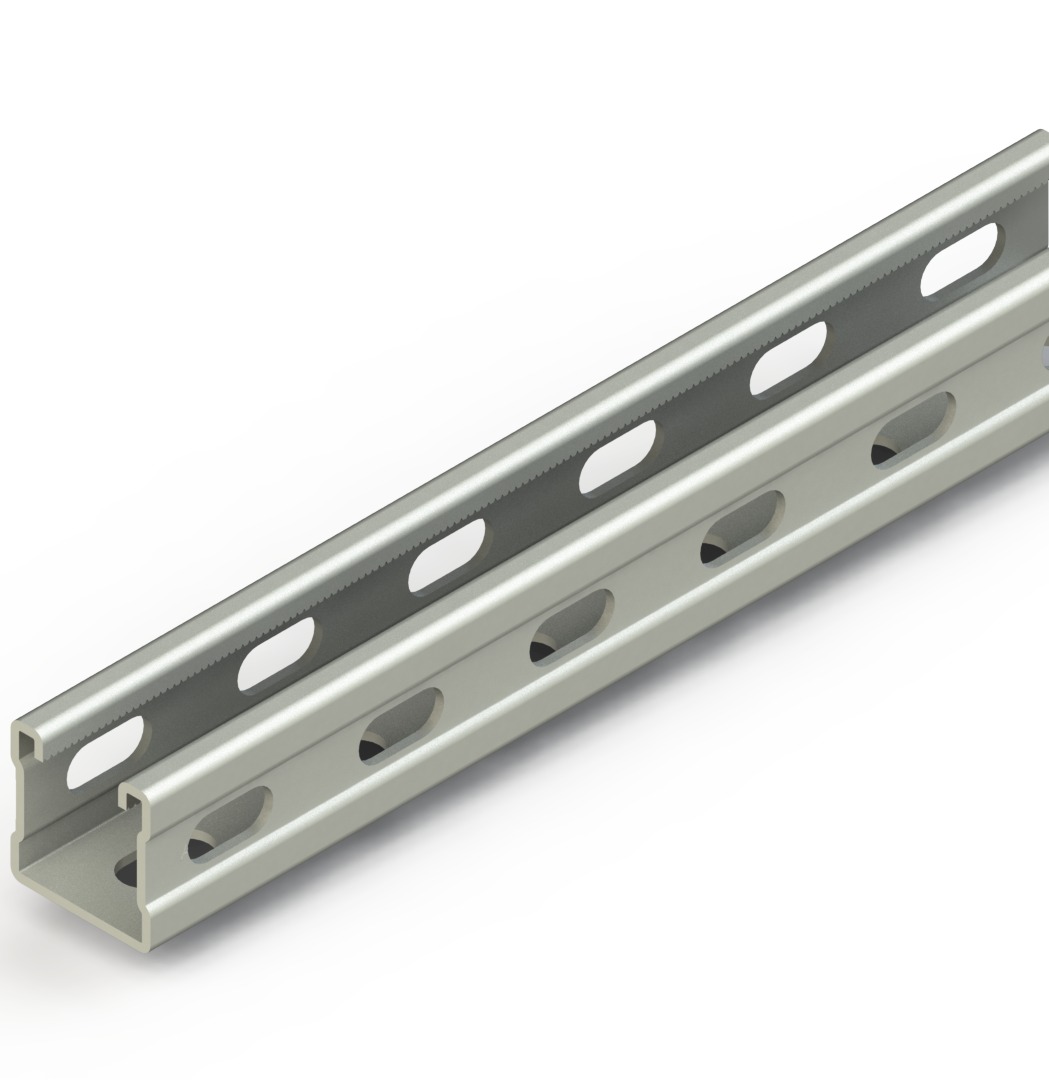
- C profiles;
- U profiles;
- I profile support systems;
- threaded rods;
- channel nuts;
- anchors;
- beam clamps;
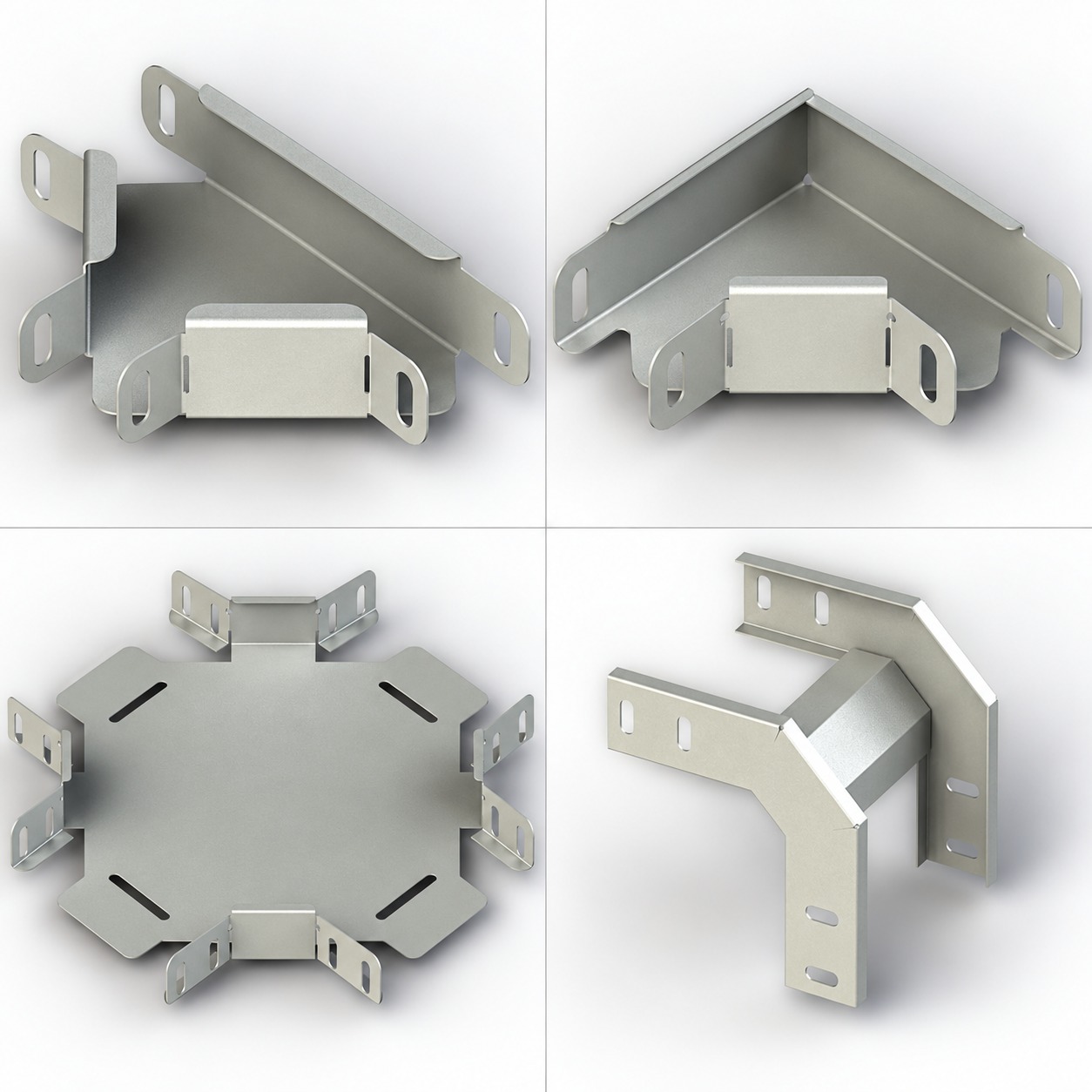
- connection plates;
- bolts, nuts and washers.
Not every project uses every component. The correct combination depends on route geometry, cable load, supporting structure and installation conditions.
Understanding the Load Path
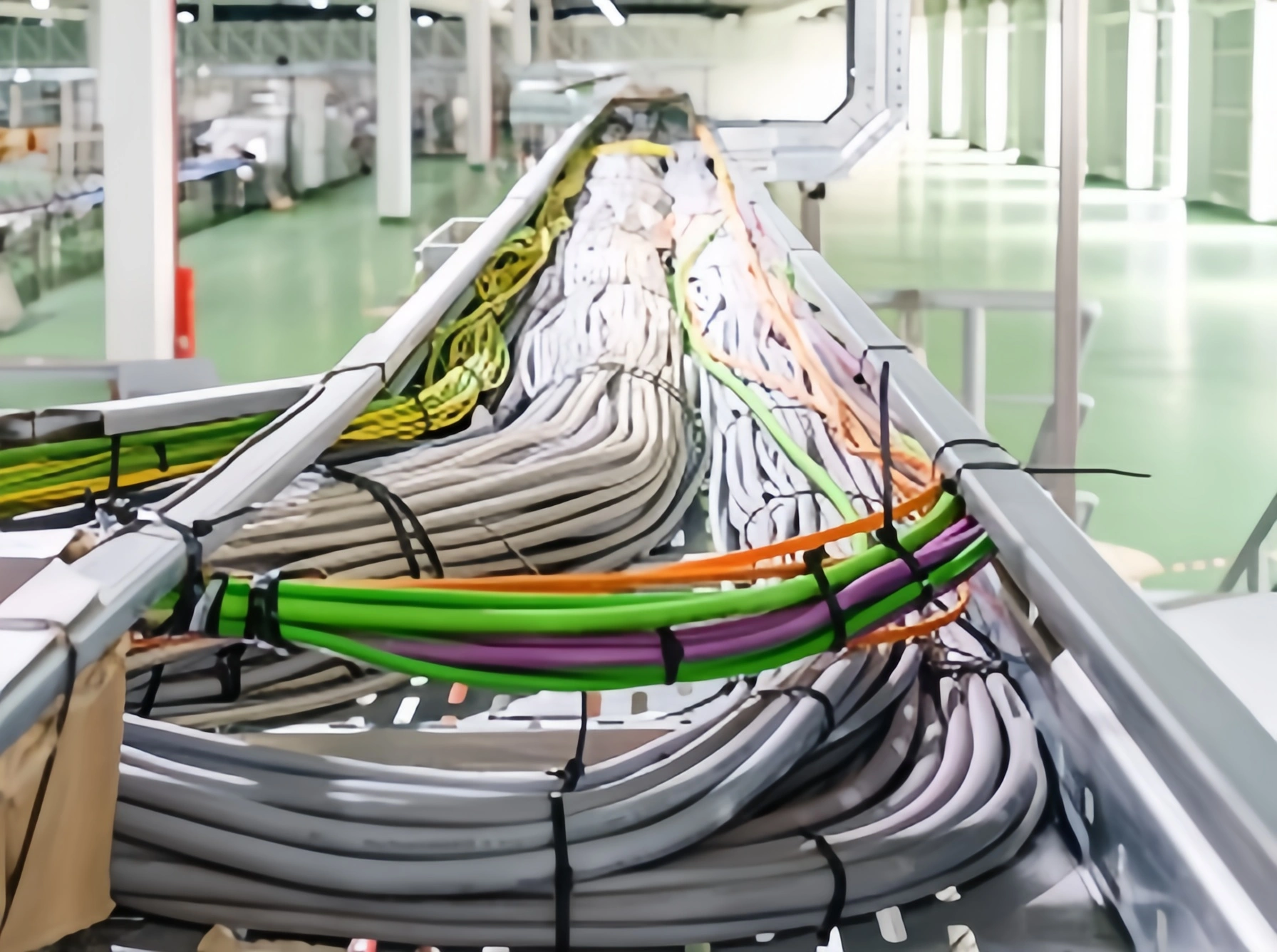
Cable weight is transferred from the cables to the tray, from the tray to the bracket or support profile, and then through the fixing system into the building structure.
The complete load path can therefore be considered as:
Cables → Cable Tray → Bracket / Profile → Connection → Anchor → Supporting Structure
A strong cable tray installed on an unsuitable bracket does not create a strong support system.
Every part of the assembly must therefore be considered during design.
Common Cable Tray Support Arrangements
Wall-Mounted Brackets
Wall brackets can be used where the cable route runs alongside a suitable structural surface.
Bracket selection should not be based on tray width alone. The load, bracket projection and forces transferred into the supporting surface must also be considered.
The fixing method must be suitable for the actual substrate.
Ceiling Suspension
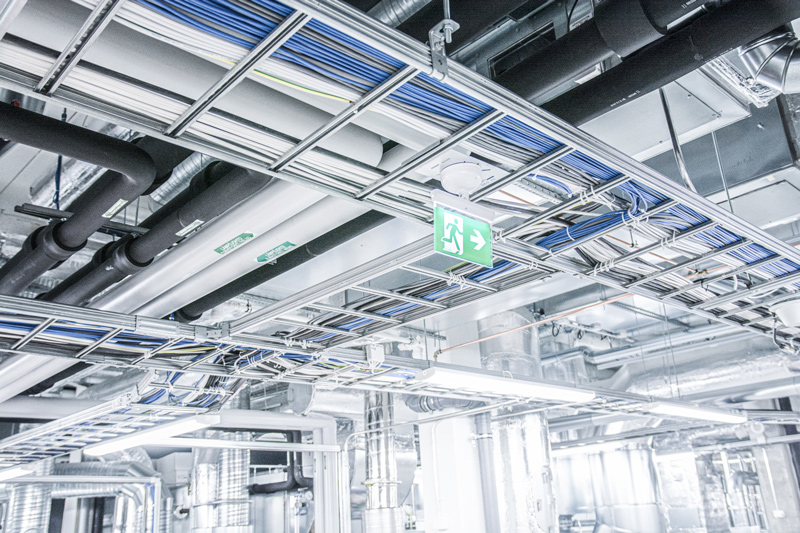
Ceiling-mounted supports are useful where wall mounting is not practical or where the cable route must be maintained at a defined elevation.
A suspension profile can be fixed to the structure and combined with one or more brackets.
This arrangement is frequently considered in industrial installations, technical spaces and coordinated building-services routes.
Trapeze Support
A trapeze arrangement commonly uses two threaded rods with a horizontal profile between them.
The tray or ladder is supported on the horizontal member.
When designing this arrangement, the threaded rods, profile, anchors and connections should all be verified for the intended load and geometry.
Structural-Steel Attachment
In industrial buildings, cable management supports may need to connect directly to structural steel.
Where permitted by the design, mechanical beam clamps may provide an attachment method without welding or drilling the primary steelwork.
Any connection to the building structure should follow the approved structural and project requirements.
How to Select Brackets and Profiles
1. Determine the Total Design Load
Do not consider cable tray self-weight alone.
The design should account for relevant loads such as:
- cables;
- tray or ladder;
- covers;
- dividers;
- fittings;
- other loads specified by the project.
Any future capacity allowance should be defined by the project rather than assumed as an arbitrary percentage.
2. Determine the Support Spacing
There is no single universal answer to the question: “How often should a cable tray be supported?”
Suitable support spacing depends on factors including:
- tray construction;
- width;
- material thickness;
- total load;
- joint arrangement;
- route geometry;
- current manufacturer data.
Bends, tees, level changes and equipment interfaces may also require a different support arrangement from a straight section.
Support spacing should therefore be based on engineering design and current technical documentation rather than site habit.
C, U and I Profile Systems
Ardıç's current product range includes C Profile, U Profile and I Profile product groups intended for different support arrangements. ardic.com
C Profiles
C profiles are useful for modular mounting systems.
Compatible channel nuts, brackets and fasteners can be positioned along the channel, allowing adjustable support assemblies to be created without welding every connection.
U Profiles
U profiles can be incorporated into a range of suspension and support arrangements.
The profile geometry, steel thickness, connections and complete load path should be evaluated together.
I Profile Systems
I profile systems can be used to build other forms of supporting structure.
The profile should not be considered independently of its compatible brackets, ceiling bases, clamps and connecting components.
Anchors and Fasteners
The connection between the support assembly and the building structure is a critical part of the system.
Anchor selection should take account of:
- substrate type;
- condition of the supporting material;
- direction of load;
- installation geometry;
- spacing and edge conditions;
- current anchor technical data.
Threaded rods, channel nuts, bolts and other hardware must also be correctly matched to the support assembly.
Selecting the Surface Finish
The tray and its supporting system should be considered under the same environmental protection strategy.
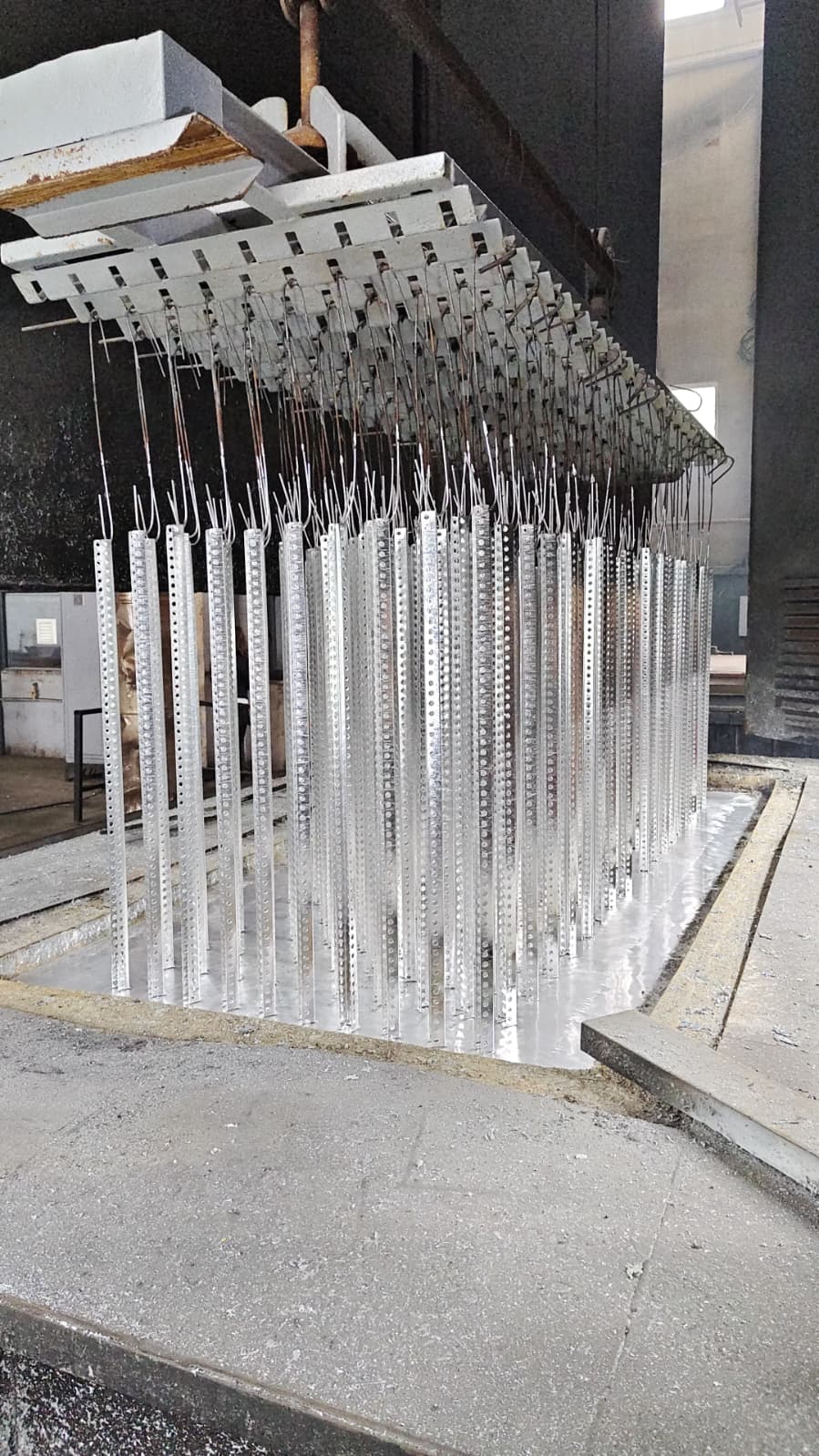
Ardıç product categories include finishes such as pre-galvanized, hot-dip galvanized and, for selected support accessories, electro-galvanized versions. ardic.com
Selection should take into account conditions such as:
- indoor or outdoor location;
- moisture;
- condensation;
- industrial contamination;
- chemicals;
- saline atmosphere;
- maintenance conditions.
Material compatibility should also be reviewed where different metals or finishes meet.
Common Installation Mistakes
Typical errors include:
- choosing support spacing only from site habit;
- selecting a bracket without considering cable load;
- using an anchor unsuitable for the substrate;
- mixing incompatible components;
- ignoring damage to corrosion protection after site modification;
- failing to consider additional support around changes in route;
- modifying structural support components without approved guidance.
Installation teams should work from current project drawings and current product documentation.
Cable Tray Support Selection Checklist
Before ordering the support system, confirm:
- Which tray or ladder system will be supported?
- What are the tray width and route geometry?
- What is the total design load?
- Is the system wall-mounted, ceiling-mounted or attached to structural steel?
- Which bracket or profile arrangement will be used?
- What technical data defines the support spacing?
- What substrate will the anchors connect to?
- Which finish is appropriate for the environment?
- Are the brackets, profiles, rods and fasteners compatible?
- Have the latest drawings and technical documents been reviewed?
Conclusion
A cable tray support system is not a secondary detail of the installation. Safe load transfer depends on the coordinated selection of the tray, brackets, profiles, threaded rods, anchors and connection hardware.
A standard bracket or universal support spacing cannot be assumed to work for every project.
The most reliable approach is to evaluate cable loads, route geometry, environmental exposure, supporting structure and current manufacturer data together.
Ardıç's Cable Support Components, C Profile Systems, U Profile Systems, I Profile Support Systems and Hardware and Fastener Accessories can be reviewed as coordinated product groups when preparing a project-specific support arrangement.