


Hot-Dip Galvanizing for Cable Management Systems
Steel cable management systems often work where moisture, salts, industrial pollution, or repeated condensation can threaten unprotected metal. Hot-dip galvanizing (HDG) adds a metallurgically bonded zinc coating to fabricated steel, helping designers address corrosion before trays, ladders, supports, and profiles enter service.
This guide explains what HDG is, how the process works, why it differs from pre-galvanized sheet, and how EN ISO 1461 supports specification and inspection. It also gives you a practical checklist for choosing a finish without making unsupported assumptions about coating life or performance.
What Is Hot-Dip Galvanizing?
Hot-dip galvanizing is a batch coating process in which properly prepared fabricated iron or steel is immersed in molten zinc. During immersion, zinc reacts with the steel surface and develops zinc-iron alloy layers, with an outer zinc layer typically forming as the article leaves the bath. The result is not simply paint sitting on steel; the coating forms through a metallurgical reaction.
The American Galvanizers Association describes three broad stages: surface preparation, galvanizing, and inspection.[1] This sequence matters because zinc must contact clean, prepared steel to develop a continuous coating. For cable management products, galvanizing after fabrication can cover the surfaces that are accessible to the process after cutting, punching, bending, and welding are complete.
HDG is one finish option rather than a universal answer. A correct specification considers the installation environment, product geometry, applicable standards, compatibility with nearby materials, and expected maintenance strategy.
How the Hot-Dip Galvanizing Process Works
A controlled HDG workflow prepares the surface, forms the coating, and checks the finished article. Exact plant controls depend on the article and operating procedure, but the core sequence is widely established.
- Degreasing or caustic cleaning: Oils, grease, dirt, and many organic residues are removed so later cleaning stages can reach the steel.
- Rinsing: Intermediate rinses help prevent one preparation solution from carrying into the next stage.
- Pickling: An acid solution removes mill scale and iron oxides. Mechanical cleaning may be needed for substances that normal chemical preparation does not remove.
- Fluxing: A zinc ammonium chloride solution helps prevent renewed oxidation before immersion and supports the reaction between zinc and clean steel.
- Galvanizing: The prepared article is immersed in molten zinc. Zinc reacts with iron at the steel surface to form the protective coating structure.
- Withdrawal and finishing: The article is removed at a controlled rate, excess zinc drains, and the part is cooled or quenched according to the applicable procedure.
- Inspection: The finished coating is visually examined and assessed against specified acceptance criteria. Depending on the requirement, inspection can include coating-thickness measurements and checks for uncoated areas.
Good product design also supports galvanizing. Hollow sections and enclosed details may need suitable venting and drainage, while overlapping surfaces, weld residues, or trapped contaminants can interfere with preparation and zinc flow. These issues should be reviewed before production, not treated as cosmetic corrections afterward.
Why Cable Management Systems Need Corrosion Protection
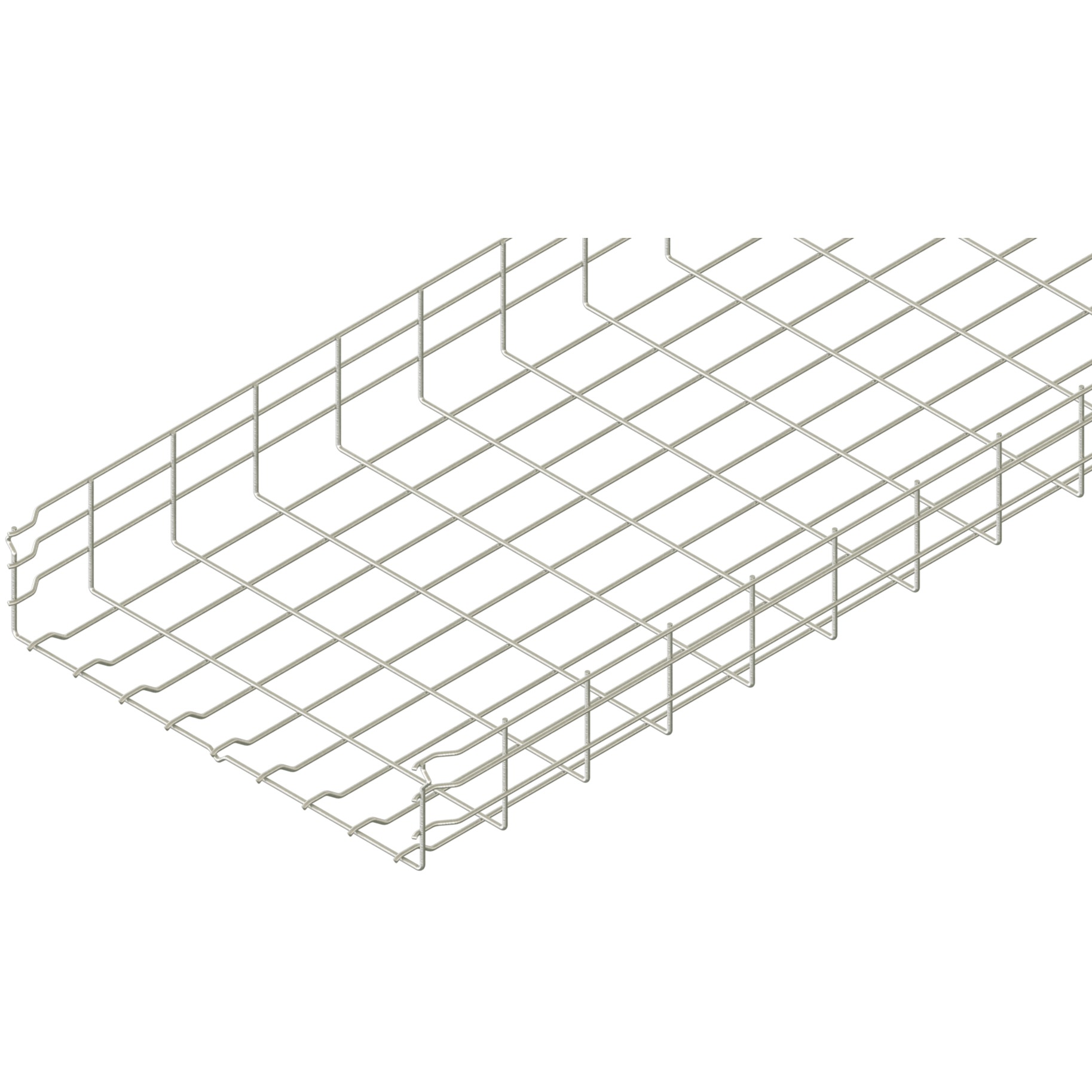
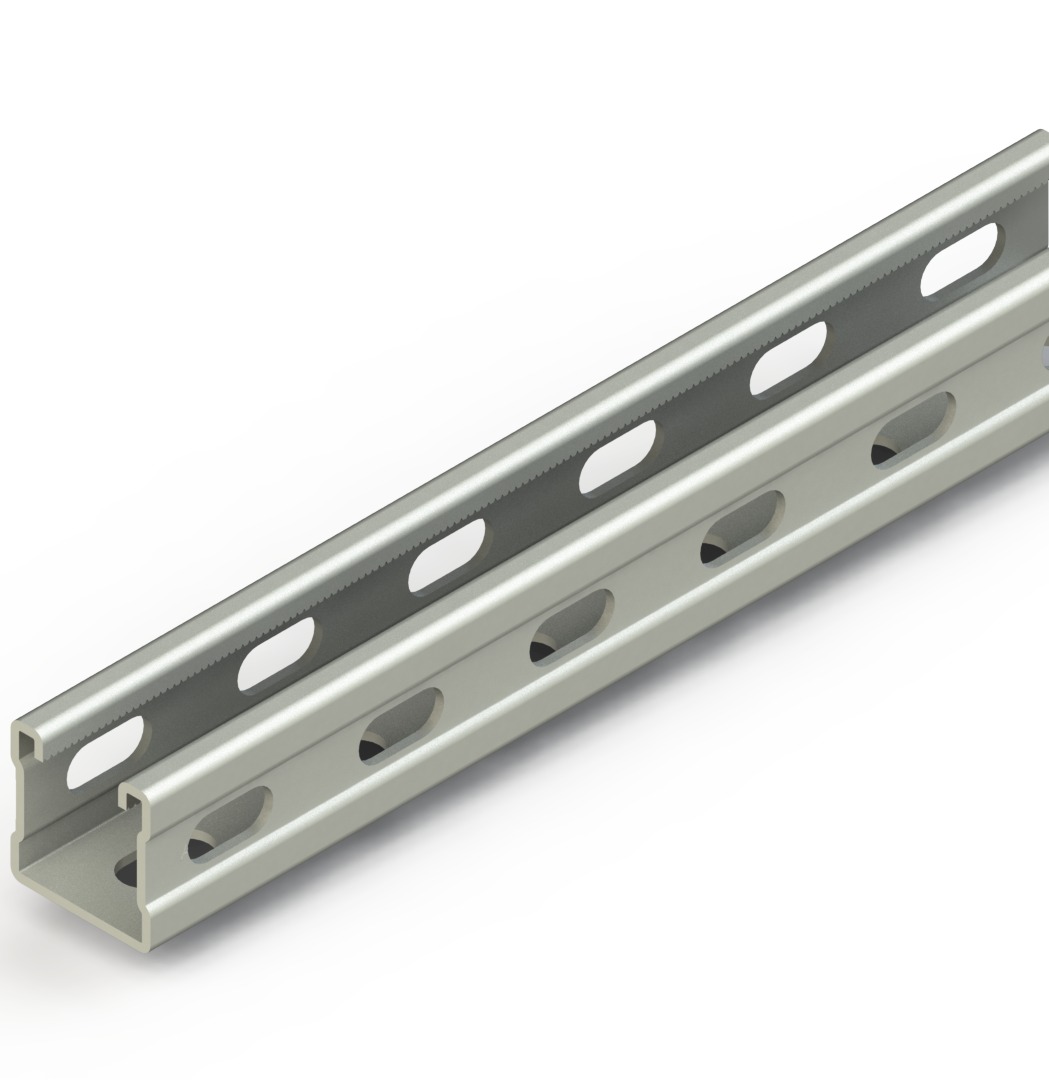
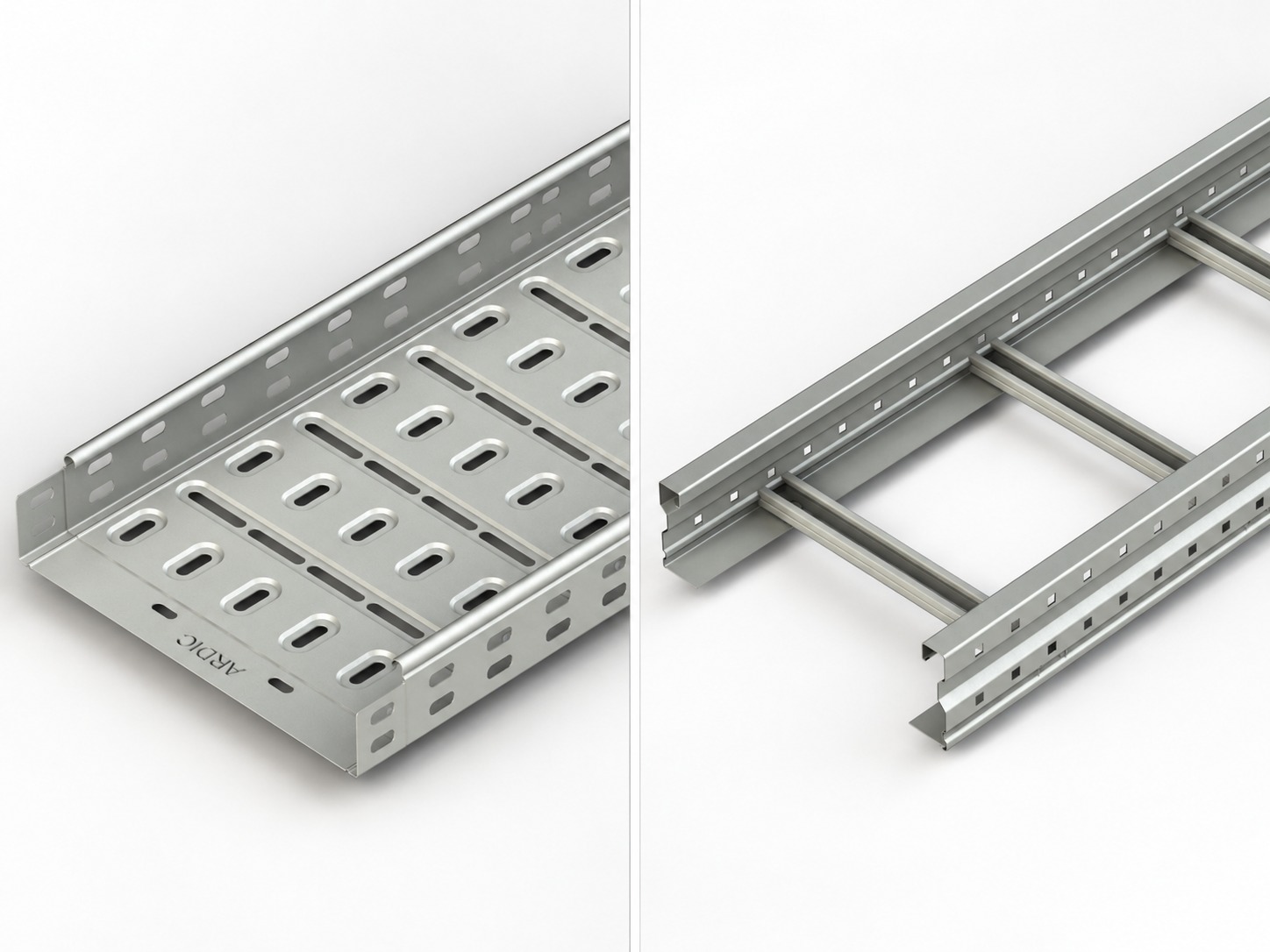
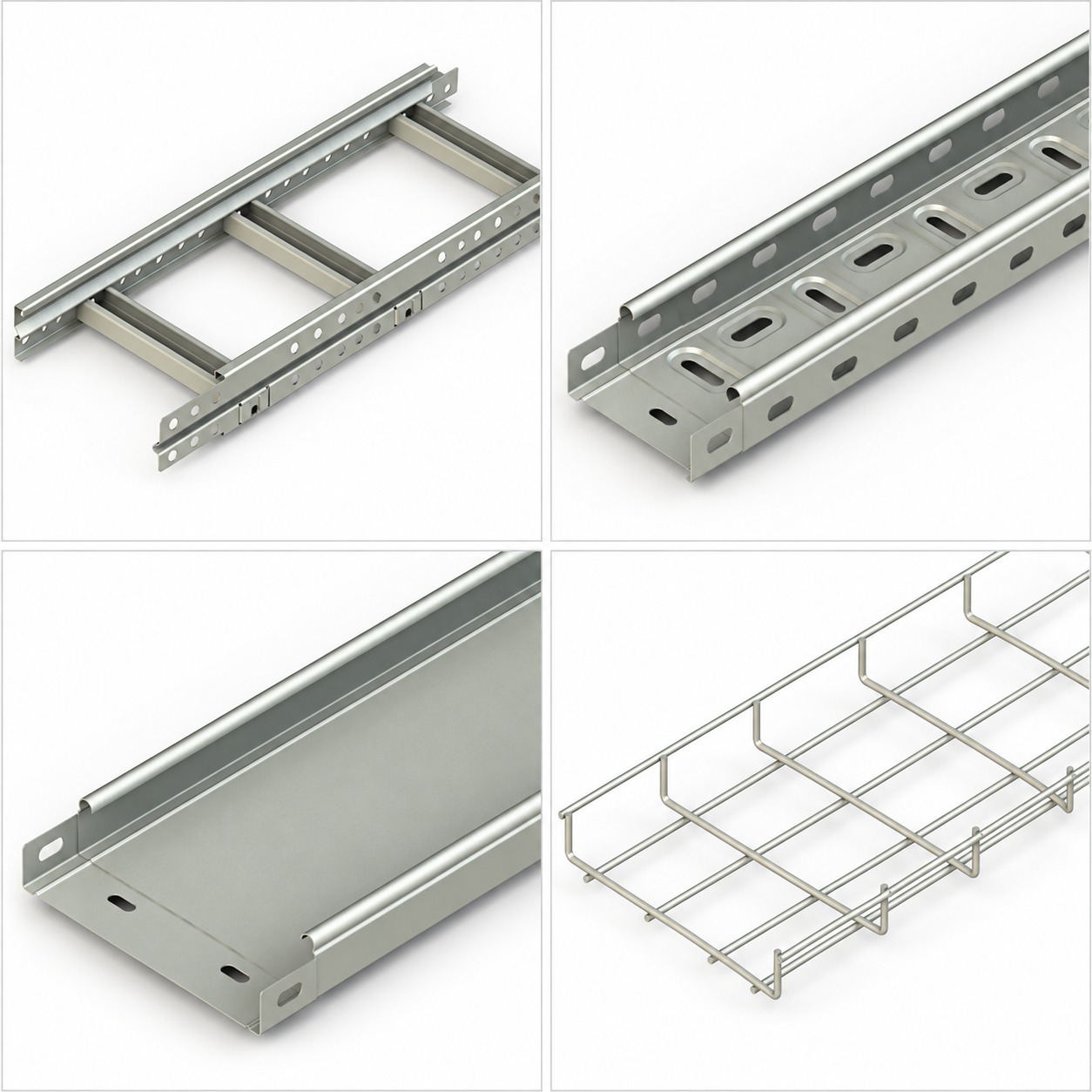
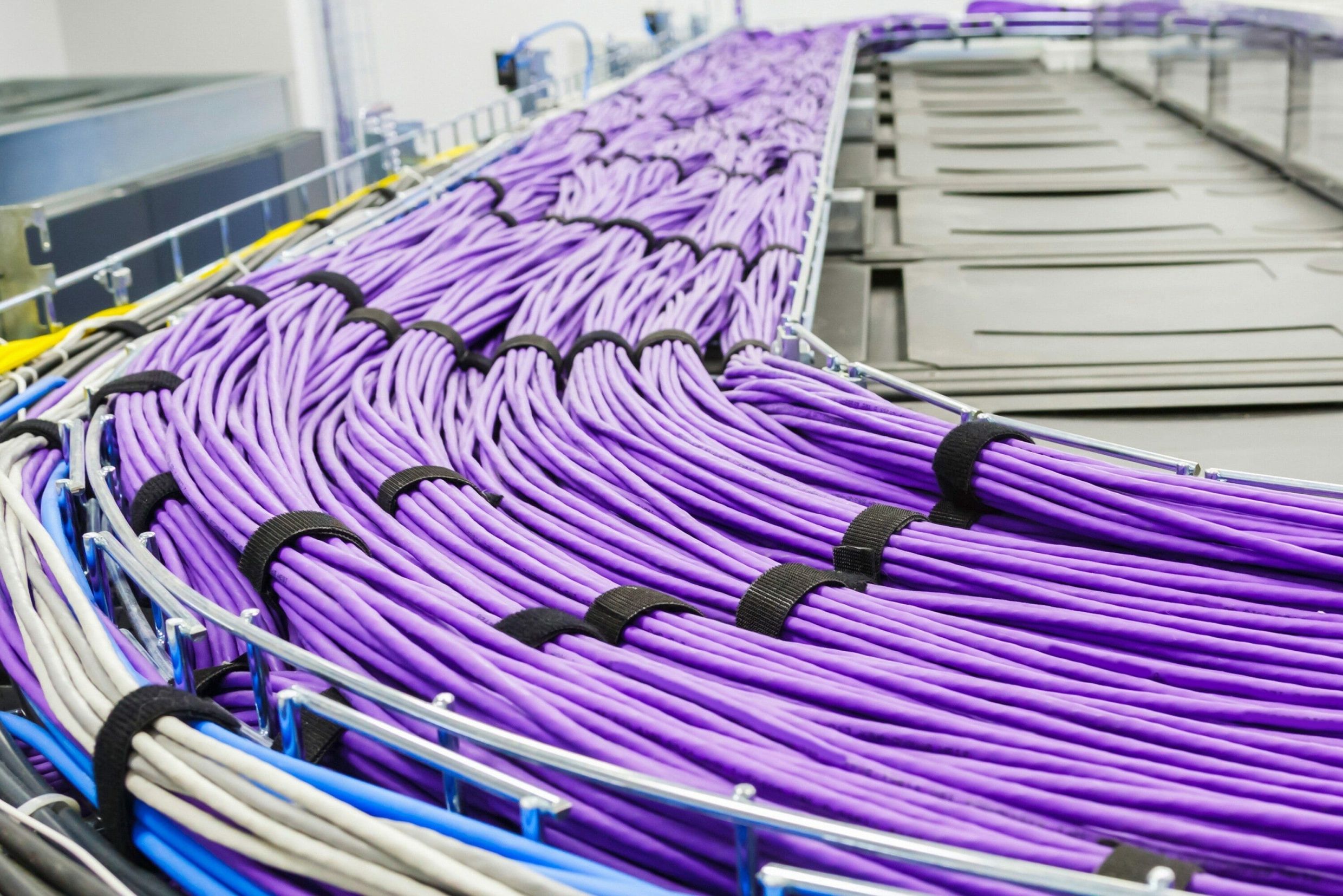
Cable trays, cable ladders, profiles, brackets, and supports create the route that carries and organizes electrical, data, or control cables. Corrosion can reduce section thickness, affect connections, complicate inspection, and increase maintenance needs. Risk varies considerably between a dry interior and an exposed industrial or coastal installation.
Zinc protects steel in two complementary ways. First, a continuous coating separates the steel from the surrounding environment. Second, zinc is anodic to steel and can provide cathodic protection at small damaged areas where steel becomes exposed. The American Galvanizers Association explains that zinc preferentially corrodes to protect the adjacent steel.[2]
This mechanism does not make every scratch irrelevant, and it does not justify a fixed service-life promise. Corrosion rate depends on moisture, pollutants, chlorides, temperature cycles, abrasion, immersion conditions, and local detailing. A responsible specification starts with the actual exposure and then matches the product and finish to it.
Benefits of HDG Cable Support Systems
When the environment and specification call for batch hot-dip galvanizing, the finish offers several practical advantages for fabricated cable support products.
- Coverage after fabrication: Galvanizing takes place after forming and fabrication, so accessible cut edges, holes, weld areas, and shaped surfaces enter the coating process together.
- Metallurgical bond: The zinc-iron alloy layers are formed by reaction with the steel rather than by simple mechanical adhesion.
- Barrier and sacrificial action: The coating isolates steel while zinc can also protect small exposed areas electrochemically.
- Inspection framework: A recognized product standard provides shared criteria for coating appearance, thickness, and permissible repair.
- Suitability for complex support networks: Trays, ladders, profiles, brackets, and compatible accessories can be considered as a coordinated system.
These benefits should remain tied to proper design, processing, handling, installation, and environmental assessment. Appearance can vary with steel chemistry, cooling, geometry, and coating development; a bright or dull finish alone does not establish conformity. Likewise, HDG does not replace structural calculations, load testing, electrical continuity requirements, or project-specific fire and seismic criteria.
HDG vs Pre-Galvanized Steel
The phrase “galvanized steel” can refer to products made by different routes. Batch hot-dip galvanizing coats a fabricated article after manufacturing. Pre-galvanized or continuously galvanized material receives its zinc coating as sheet or strip before it is cut, punched, and formed into the final cable management component.
| Decision point | Batch HDG | Pre-galvanized material |
|---|---|---|
| When coating is applied | After the article is fabricated | Before the final article is fabricated |
| Cut edges and fabricated details | Accessible features enter the bath with the completed article | Cut edges and some fabrication areas are created after sheet coating |
| Relevant specification | Typically specified using EN ISO 1461 for fabricated iron and steel articles | Typically governed by standards for continuously coated steel products |
| Selection logic | Often considered for more demanding exposure or post-fabrication coverage | Often considered for controlled indoor or less aggressive conditions, subject to project requirements |
Neither label should be selected from price or appearance alone. Ask for the coating route and applicable standard, then review edge exposure, atmosphere, installation location, handling, and maintenance. Do not assume that two products described simply as “galvanized” provide the same coating architecture.
What EN ISO 1461 Means for Galvanized Products
ISO 1461 specifies requirements and test methods for hot-dip galvanized coatings applied to fabricated iron and steel articles.[3] In European use, the adopted standard is commonly referenced as EN ISO 1461. It creates a common basis for purchasers, manufacturers, galvanizers, and inspectors to discuss coating conformity.
The standard addresses matters such as coating appearance, minimum coating thickness or coating mass, testing, sampling, and repair of uncoated or damaged areas within defined limits. Requirements depend on the article and material thickness, so a single universal coating-thickness value should not be copied into every project specification.
Specifiers should state the applicable edition, identify significant surfaces, communicate special requirements, and agree how inspection records will be handled. EN ISO 1461 concerns the galvanized coating; it does not by itself certify the cable support system’s load capacity, installation method, or suitability for every corrosive environment.
Ardic Elektrik’s In-House HDG Capability
Ardic Elektrik produces cable management and support systems and operates its own in-house hot-dip galvanizing facility. Its English corporate information also lists TS EN ISO 1461 among its certificates and identifies hot-dip zinc coating as a production area.[4] You can review the company’s English product categories for trays, ladders, wire mesh, profiles, supports, hardware, and related systems.
Bringing production and galvanizing within the same organization can support more direct coordination between fabrication, coating, and product teams. It can also help teams review details such as drainage, venting, hanging points, surface preparation, and inspection requirements earlier in the workflow. The practical value still depends on the approved specification, product geometry, documented controls, and project communication.
This capability should not be interpreted as an automatic promise about turnaround, coating life, or performance in every environment. Buyers should request the relevant product information, certificate scope, and project documentation. Further company background is available on the Ardic corporate page.
Typical Applications for HDG Cable Management
HDG cable management systems may be considered wherever carbon-steel routing and support components face meaningful corrosion exposure. Typical project contexts include outdoor utility areas, industrial production sites, transport infrastructure, energy facilities, wastewater environments, building services zones, and installations affected by condensation or airborne contaminants.
The correct choice remains site-specific. Coastal salts, chemical emissions, persistent wetness, burial, direct immersion, contact with dissimilar metals, and mechanical wear can change the corrosion strategy. Some environments may require additional measures, alternative materials, or a duplex system that combines galvanizing with a compatible paint or powder coating.
System thinking is essential. The tray or ladder finish should be considered alongside covers, connectors, fasteners, brackets, threaded components, and supporting steel. Mixing finishes without checking compatibility can create weak points even when the main tray is correctly specified.
Selection Checklist for Specifiers and Buyers
Use this checklist before naming HDG in a cable management schedule or purchase order:
- Define exposure: Record indoor or outdoor location, moisture, chlorides, pollutants, chemicals, cleaning regimes, and expected abrasion.
- Confirm the coating route: Distinguish batch hot-dip galvanized products from components made with pre-galvanized sheet.
- Name the standard: Specify the applicable EN ISO 1461 edition and any project-specific inspection or documentation requirements.
- Review the full system: Check trays, ladders, covers, supports, profiles, couplers, fasteners, and interfaces with other metals.
- Check product design: Address holes, enclosed spaces, drainage, venting, weld quality, and surfaces that may trap process liquids or zinc.
- Define significant surfaces: Identify areas where coating acceptance is functionally important and communicate them before galvanizing.
- Request evidence: Ask for relevant technical data, declarations, certificates, and inspection records appropriate to the order.
- Plan handling and installation: Prevent avoidable damage during transport, cutting, drilling, storage, and assembly; define an approved repair method where needed.
- Avoid unsupported life claims: Base durability expectations on the real environment, coating data, recognized guidance, and the maintenance plan.
A clear checklist reduces ambiguity between “galvanized” options and helps suppliers respond to measurable requirements. It also makes technical comparisons more useful than comparing nominal product descriptions alone.
Frequently Asked Questions
Concise answers to common questions about galvanized cable support systems.
No. Batch HDG coats the fabricated article, while pre-galvanized sheet is coated before cutting and forming. Ask which process and product standard apply instead of relying on the word “galvanized.”
Zinc can provide cathodic protection to small exposed steel areas because zinc is anodic to steel. Damage still requires assessment, and larger or nonconforming areas may need an approved repair under the applicable specification.
No. It specifies coating requirements and test methods for fabricated iron and steel articles. Service life also depends on the environment, coating characteristics, design, damage, and maintenance.
No single finish suits every exposure. Chemical contact, immersion, salts, abrasion, and dissimilar-metal interfaces may require additional analysis or another material and coating strategy.
Provide product types, dimensions, quantities, drawings, exposure details, applicable standards, significant surfaces, accessories, and documentation needs. Clear inputs help the supplier evaluate the complete system rather than an isolated tray.
Specify the Coating, Standard, and System Together
Hot-dip galvanizing combines a metallurgically bonded zinc coating with barrier and sacrificial protection. Its post-fabrication sequence distinguishes it from pre-galvanized sheet, while EN ISO 1461 provides a recognized basis for coating requirements and inspection. The best result comes from matching the finish to the exposure and reviewing every component in the support route.
Ardic Elektrik’s cable management production and in-house HDG operation allow fabrication and coating requirements to be discussed within one organization, subject to the approved technical specification. Contact Ardic Elektrik to discuss your HDG cable management requirements.